 EN
EN

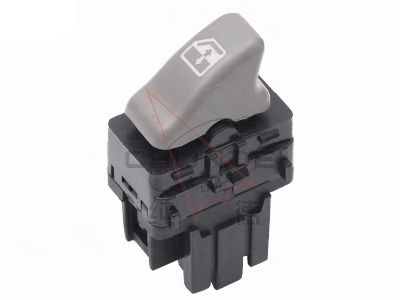
How Automotive Climate Control Systems Help Improve Fuel Efficiency
Modern automotive climate control systems do much more than keep passengers comfortable. They play an important role in improving fuel efficiency, reducing energy consumption, and creating a more enjoyable driving experience. Features such as an ac control panel, aircon control panel, and air cond control panel allow drivers to manage cabin temperatures efficiently while minimizing unnecessary fuel use.
How Do Car Climate Control Systems Help Save Fuel?
Vehicle climate control systems can contribute to fuel savings in several ways. Advanced systems are designed to reach the desired cabin temperature quickly and then maintain it efficiently. Instead of continuously operating at maximum power, the system adjusts output based on actual cooling or heating requirements.
For example, during hot weather, an efficient air-conditioning system cools the cabin rapidly and then reduces energy consumption once the desired temperature is reached. This helps decrease the load on the engine and improves overall fuel economy.
Many modern climate systems also make intelligent use of outside air. When outdoor conditions are comfortable, the system may increase fresh-air intake instead of relying entirely on air conditioning or heating. This reduces energy demand while maintaining passenger comfort.
Additionally, some systems can learn driver preferences and automatically adjust settings based on previous usage patterns. By making precise temperature adjustments, the system avoids unnecessary energy consumption and improves efficiency.
In stop-and-go traffic or during extended idling periods, smart climate control technology can reduce cooling or heating output when full performance is not required. This feature helps conserve fuel while maintaining a comfortable cabin environment.
What Fuel-Saving Features Should You Look for in Climate Control Systems?
When selecting a vehicle, several climate control features can contribute to better fuel efficiency.
Automatic Climate Control
Automatic climate control uses sensors to monitor cabin conditions and adjust temperature settings accordingly. This prevents excessive cooling or heating and ensures energy is used efficiently.
Dual-Zone Climate Control
Dual-zone systems allow drivers and passengers to set different temperatures. Instead of cooling or heating the entire cabin to a single setting, the system balances comfort more efficiently and reduces unnecessary energy use.
Eco Mode
Many vehicles offer an Eco Mode that optimizes climate control operation for fuel savings. This setting reduces compressor workload and adjusts heating and cooling performance to lower energy consumption.
Remote Climate Management
Some vehicles allow drivers to adjust cabin temperatures remotely through mobile applications. When connected to an external power source, pre-conditioning the vehicle can reduce the need for fuel-intensive cooling or heating after the journey begins.
What Are Common Misconceptions About Climate Control and Fuel Consumption?
There are several misconceptions about how climate control systems affect fuel economy.
One common belief is that air conditioning always wastes a significant amount of fuel. While air conditioning does consume energy, driving with windows fully open at highway speeds can create aerodynamic drag that may increase fuel consumption even more.
Another misconception is that older climate control systems are always inefficient. While modern systems are generally more advanced, properly maintained older systems can still operate effectively and economically.
Some drivers also believe that frequently turning the system on and off saves fuel. In reality, maintaining a stable cabin temperature is often more efficient than repeatedly adjusting settings or restarting the system.
Understanding these facts can help drivers make better decisions about climate control usage and fuel efficiency.
Where Can You Find Affordable and Reliable Climate Control Systems?
When purchasing automotive climate control components, it is important to focus on quality, reliability, and long-term value.
Start by researching suppliers that offer durable systems with proven performance. Reading customer reviews and comparing product specifications can help identify dependable solutions.
Warranty coverage is another important factor. A comprehensive warranty provides confidence that the product is built to last and offers protection against unexpected issues.
Comparing prices from multiple suppliers can help you find a balance between affordability and quality. While low-cost options may seem attractive, investing in a reliable system often results in lower maintenance costs and better long-term performance.
How Does Regular Maintenance Improve Climate Control Efficiency?
Routine maintenance is essential for keeping automotive climate control systems operating efficiently.
One of the most important maintenance tasks is replacing or cleaning cabin air filters. Dirty filters restrict airflow, forcing the system to work harder and consume more energy.
Checking refrigerant levels is equally important. Low refrigerant can reduce cooling performance and increase the workload on the compressor, leading to higher fuel consumption.
Regular inspections can also identify leaks, worn components, or electrical issues before they become major problems. Addressing these concerns early helps maintain system efficiency and reduces repair costs.
Keeping the climate control system in good condition ensures consistent performance, improved fuel economy, and a more comfortable driving experience.
Conclusion
Automotive climate control systems are designed to provide comfort while supporting fuel efficiency. Advanced features such as automatic climate control, dual-zone settings, Eco Mode, and smart temperature management help reduce energy consumption without sacrificing comfort. Combined with proper maintenance and efficient operation through an ac control panel, aircon control panel, or air cond control panel, these systems can contribute to lower fuel costs and a more enjoyable driving experience.
Table of Contents
- How Automotive Climate Control Systems Help Improve Fuel Efficiency
- How Do Car Climate Control Systems Help Save Fuel?
- What Fuel-Saving Features Should You Look for in Climate Control Systems?
- What Are Common Misconceptions About Climate Control and Fuel Consumption?
- Where Can You Find Affordable and Reliable Climate Control Systems?
- How Does Regular Maintenance Improve Climate Control Efficiency?
- Conclusion